Your ₹100 Is Worth Less Than You Think

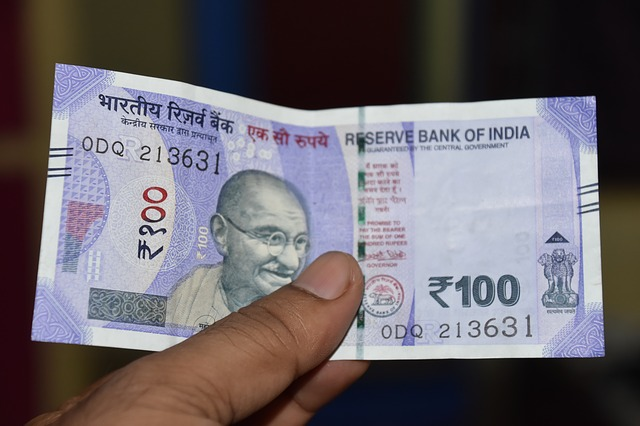
Take a ₹100 note out of your wallet. The number is clear and unchanged. It still says one hundred. But what that note can actually buy is slowly shrinking.
This is inflation. It does not announce itself loudly. It works in the background, year after year, reducing purchasing power in small steps that most people barely notice.
Yet over time, the effect is dramatic.
The Silent Erosion
Inflation is the sustained rise in the general price level of goods and services. When prices rise, each rupee buys fewer goods than before. Economists describe this as a fall in purchasing power.
To see the impact, assume inflation averages 6 percent annually. The decline compounds:
After 1 year, ₹100 has the buying power of about ₹94
After 5 years, it falls to roughly ₹74
After 10 years, it drops to around ₹55
The note in your hand did not change. The economy around it did.
This is why inflation is often called a silent tax. It reduces real wealth without any explicit deduction.
The Nominal Trap
One reason inflation is so effective is psychological. Most people think in nominal terms.
If your salary rises from ₹50,000 to ₹53,000, it feels like progress. On paper, you are earning more. But economists focus on the real question: did your income grow faster than prices?
This leads to a crucial distinction:
Nominal income is the money amount you receive
Real income adjusts that amount for inflation
If inflation is 6 percent and your salary rises only 4 percent, your real income has fallen. You have more rupees but less purchasing power.
This is the nominal trap. The numbers look better while living standards quietly weaken.
Why Central Banks Watch Inflation Closely
Inflation is not just a household concern. It sits at the core of macroeconomic policy.
When inflation rises too quickly, several problems emerge:
Households lose purchasing power
Savings erode in real terms
Business planning becomes uncertain
Income inequality can worsen
Long-term investment decisions become riskier
In India, the Reserve Bank of India uses monetary policy, especially interest rates and liquidity management, to keep inflation within its target range. Price stability supports predictable economic growth and protects real incomes.
Compounding: The Force Most People Underestimate
The real danger is persistence. One year of moderate inflation is manageable. Ten years of it is transformative.
Compounding works symmetrically:
Investors rely on compounding to build wealth
Inflation relies on compounding to erode it
Consider this simple comparison:
If your savings grow at 5 percent annually while inflation averages 6 percent, your real wealth is declining every year. Your account balance rises, but your purchasing power falls.
From a behavioural economics perspective, this is powerful because people tend to notice visible gains and ignore gradual losses.
What This Means for Financial Decisions
Understanding inflation changes how rational households and investors behave.
It explains why:
Real returns matter more than nominal returns
Long-term savers seek assets that historically outpace inflation
Wage negotiations often reference cost-of-living changes
Central bank credibility becomes economically valuable
The key analytical question is straightforward: is your money growing faster than inflation?
If the answer is no, then in real terms, wealth is being eroded.
The Bottom Line
Your ₹100 note is not a fixed store of value. It exists within an economy where prices, wages, and purchasing power are constantly adjusting.
Inflation is gradual, but it is relentless. The earlier one starts evaluating income, savings, and investments in real terms rather than nominal ones, the clearer economic reality becomes.
The number printed on money rarely tells the full story. The purchasing power behind it does.


Comments